Shipping vehicles across the globe is a highly intricate process involving precise calculations and logistics. A common question that arises in the world of transportation logistics is: How many cars can fit in a shipping container? The answer depends on several factors, including container size, car dimensions, and vehicle loading techniques. This article will delve into these factors to provide clarity on the topic.
Understanding Container Sizes
Standard containers used in containerized shipping come in two primary sizes: 20-foot and 40-foot containers. A 20-foot container, with an internal length of approximately 5.9 meters, is suitable for smaller shipments, while a 40-foot container, measuring about 12 meters internally, offers more cargo space for larger goods, including vehicles.
Vehicle Dimensions and Loading Techniques
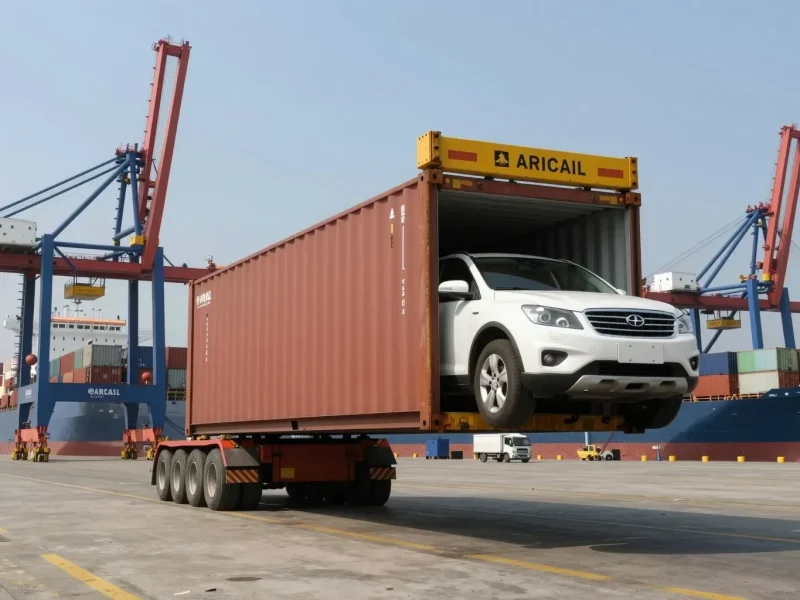
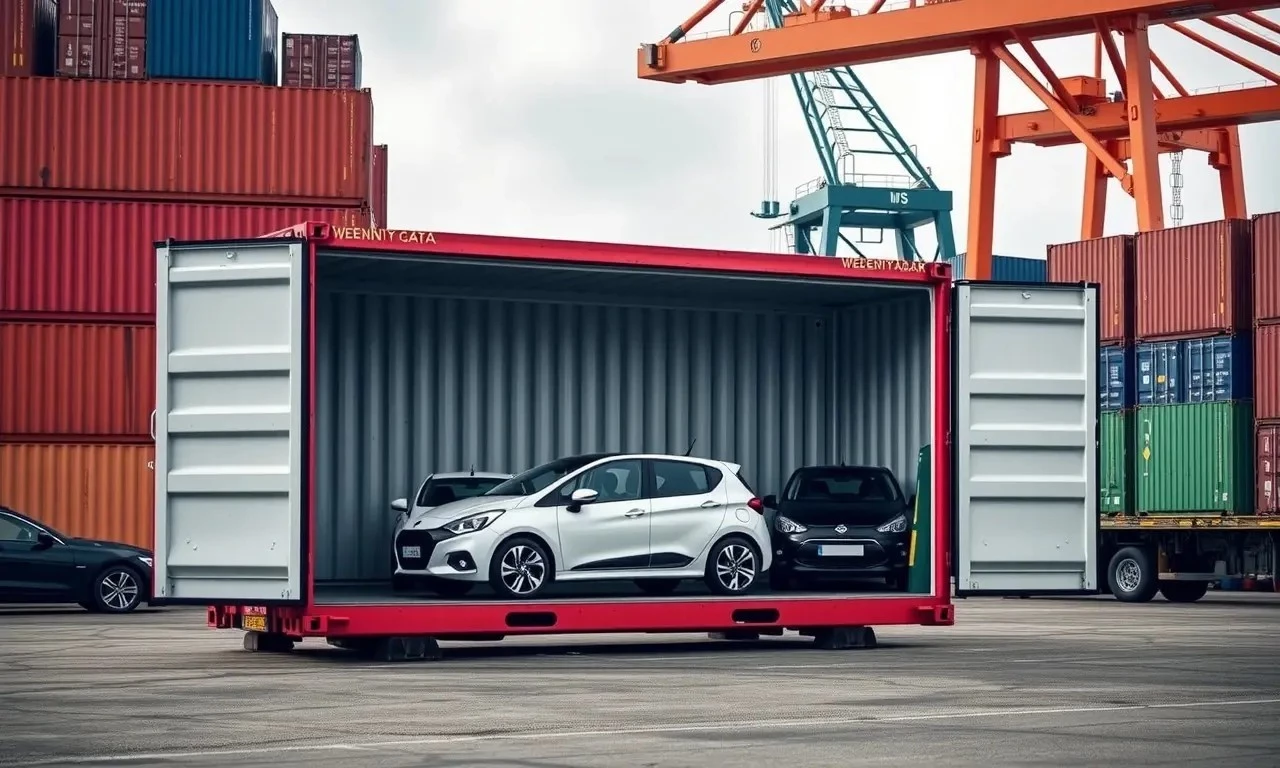
The dimensions of the car play a crucial role in determining how many can fit in a container. Standard sedans, for instance, typically measure around 4.5 meters in length, which means two sedans can fit snugly in a 20-foot container using efficient loading techniques. Meanwhile, a 40-foot container can accommodate about four standard cars.
For larger vehicles such as SUVs and trucks, fewer cars will fit in the same space due to their increased size. Space optimization is crucial when dealing with larger vehicles to ensure maximum use of the container’s capacity.
Container Capacity and Vehicle Shipping
When considering container capacity, it’s essential to account for not just the physical space but also the weight limitations. Overloading a container can lead to logistical issues and safety hazards, making adherence to weight restrictions vital for vehicle safety during transit.
Containerized Transport vs. Ro-Ro Shipping
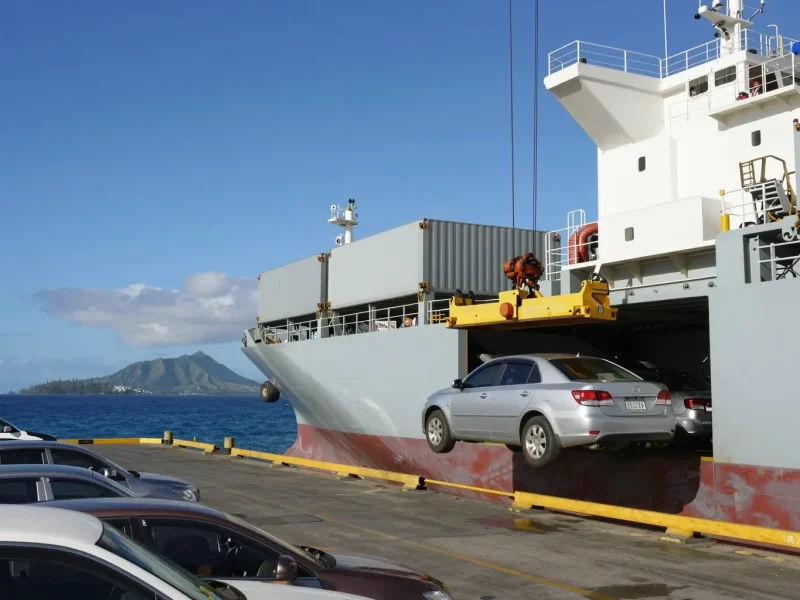
Aside from containerized shipping, another common method is Ro-Ro shipping (Roll-on/Roll-off), where cars are driven onto and off the ship. This method is often used for larger quantities of vehicles and can be more cost-effective for certain routes.
International Shipping and Freight Forwarding
When it comes to international shipping, freight forwarding companies play a pivotal role. They handle the logistics of vehicle shipping, ensuring that the process is seamless and compliant with international standards. These companies are adept at managing the complexities of containerized transport and can provide insights into the best methods for shipping vehicles based on specific requirements.
Automotive Logistics and Efficient Shipping
Efficient auto transport is the backbone of successful automotive logistics. It involves strategic planning and execution to ensure that vehicles are shipped safely and cost-effectively. Companies often use advanced software to plan the loading and positioning of vehicles within containers to maximize container capacity and minimize costs.
The number of cars that can fit in a shipping container is determined by a combination of factors, including the container size, car dimensions, and the techniques used for vehicle loading. By understanding these elements, businesses can optimize their transportation logistics to ensure the efficient and safe shipment of vehicles across international borders. Whether through containerized shipping or Ro-Ro shipping, the key to successful vehicle transport lies in meticulous planning and execution.