The global automobile industry relies heavily on international trade to meet the demands of consumers worldwide. A key aspect of this trade is the import and export of vehicles, which involves a complex process of shipping and logistics to ensure safe and timely delivery. This article explores the mechanisms involved in shipping cars from overseas, focusing on methods like containerization and RoRo (Roll-on/Roll-off), as well as the critical roles of customs clearance, port operations, and ocean freight.
Methods of Automobile Transportation
Containerization
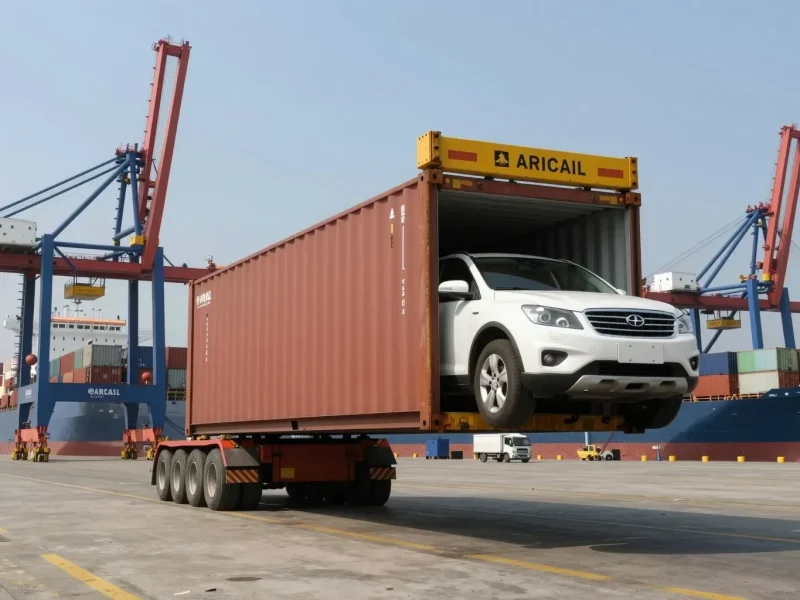
Containerization is a widely used technique in automobile transportation. Cars are loaded into large standardized containers, which are then placed on cargo ships. This method offers protection from environmental elements and reduces the risk of damage during transit. Containerization is ideal for high-value vehicles or when additional items accompany the shipment.
Roll-on/Roll-off (RoRo)
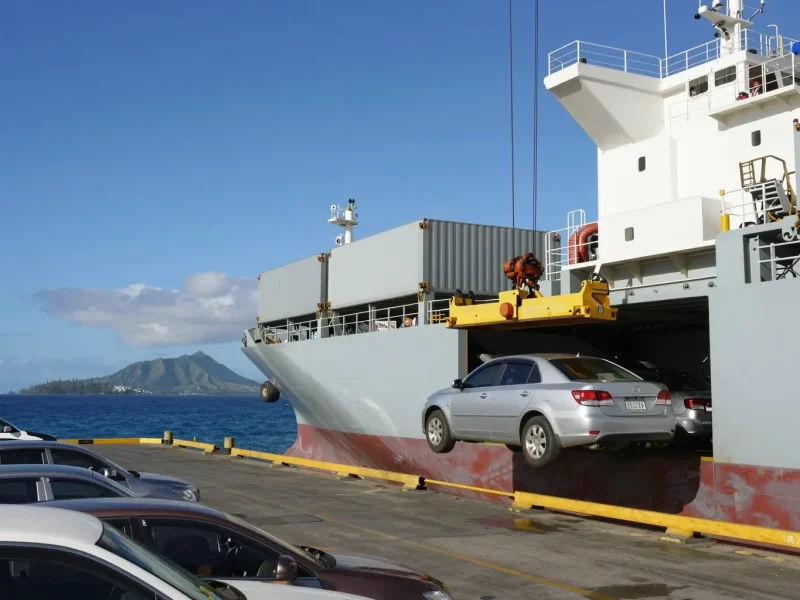
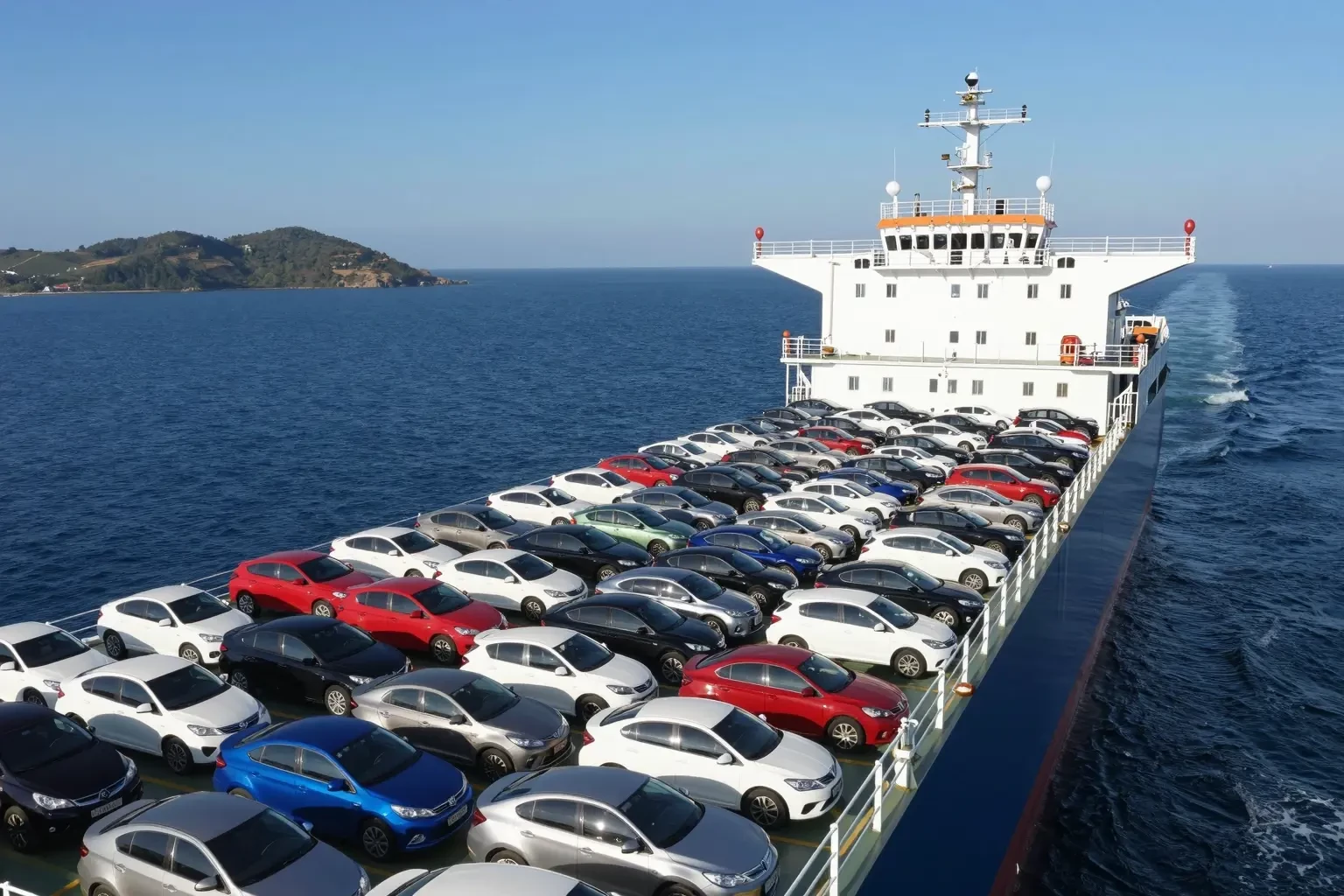
The RoRo method involves driving vehicles directly onto specialized car carriers or RoRo ships. These vessels are designed with built-in ramps that allow cars to be rolled on and off easily. RoRo is one of the most efficient and cost-effective ways of transporting vehicles in bulk. It is particularly popular for shipping large numbers of cars across international waters.
The Role of Logistics in Car Shipping
The logistics of car shipping involves several stages, from the scheduling of pickup to the coordination of freight and delivery. Managing the supply chain effectively requires expertise in both international and domestic transit systems. Logistics providers handle everything from securing space on vessels to ensuring compliance with import regulations and facilitating customs clearance.
Customs Clearance
Customs clearance is a critical component of the shipping process. It involves verifying that all necessary documentation is in order, duties and taxes are paid, and that the vehicle complies with the destination country’s import regulations. Failure to meet these requirements can result in delays or additional charges.
Port Operations and Vehicle Handling
Once a ship arrives at a port, efficient port operations are essential for unloading vehicles safely and quickly. This involves specialized equipment and trained personnel to handle vehicles, especially in a RoRo context where cars are driven off the vessel. Ports are equipped with facilities for temporary storage, inspection, and preparation of vehicles before they are dispatched to their final destinations.
Transport to Final Destination
After clearing customs and port procedures, vehicles are transported to dealerships or customers. This part of the process can involve additional shipping by road or rail, depending on the destination. Delivery logistics ensure that vehicles arrive in pristine condition and on schedule.
Challenges in Maritime Transport
While maritime transport is generally cost-effective, it does present challenges such as potential delays due to weather conditions, port congestion, and geopolitical issues. Logistics companies must be adept at navigating these challenges to maintain efficient and reliable service.
Shipping cars from overseas is a complex process that involves multiple methods and meticulous planning. From containerization and RoRo shipping to comprehensive logistics and customs management, each step is crucial for the successful transit and delivery of vehicles. As international trade continues to grow, innovations in maritime transport and logistics will further streamline the import and export of automobiles worldwide.