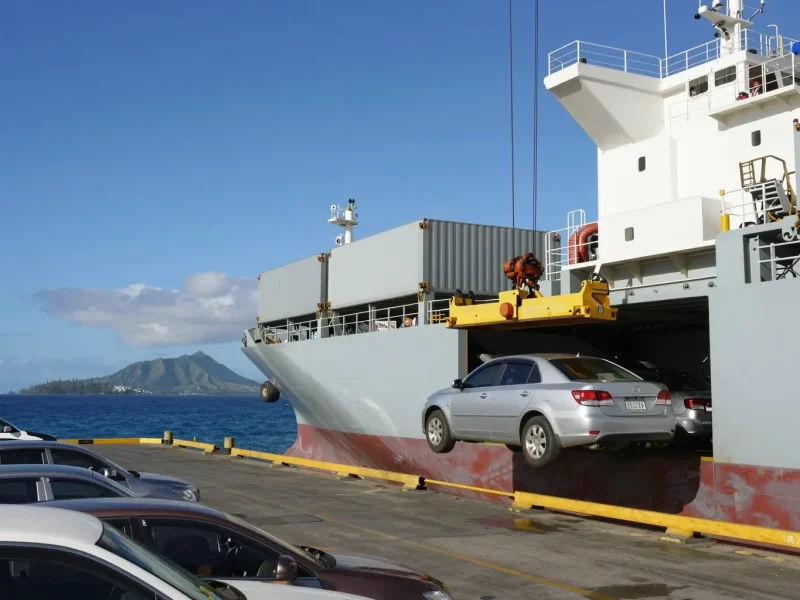
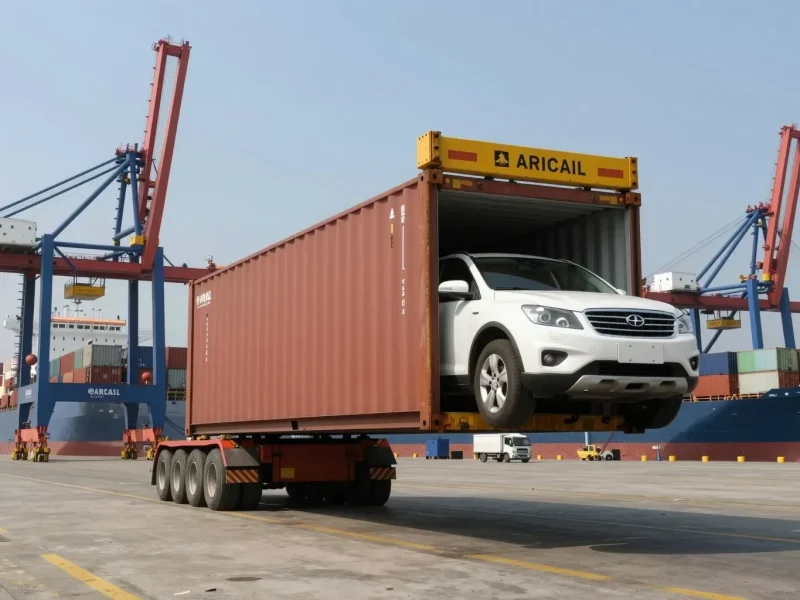
In the world of international shipping, the transport of vehicles is a common requirement, and shipping containers provide a secure and efficient means to achieve this. However, whether a car can fit inside a shipping container depends on various factors such as the dimensions of the container, the vehicle size, and the logistics involved. This article explores the intricacies of container shipping for automobiles, analyzing the compatibility and capacity considerations essential for effective auto transport.
Understanding Shipping Container Dimensions
Standard shipping containers come in several sizes, with the most common being 20-foot and 40-foot long containers. The interior dimensions of a standard 20-foot container are approximately 19;4 feet in length, 7.8 feet in width, and 7.9 feet in height. The 40-foot container doubles the length to about 39.5 feet while maintaining the same width and height.
These standard containers are designed to accommodate a wide range of cargo and freight, but their suitability for transporting cars depends on the size of the vehicle. Most standard passenger cars, SUVs, and small trucks can fit comfortably inside these containers, although larger vehicles may require customized solutions.
Vehicle Size and Container Compatibility
The compatibility between a vehicle and a shipping container is primarily determined by the vehicle’s dimensions. It’s crucial to measure the car’s length, width, and height to ensure there is sufficient space for loading and unloading. Additionally, allowances must be made for securing the vehicle within the container to prevent movement during transport.
For example, a standard sedan typically fits well within a 20-foot container, while larger SUVs or trucks might need a 40-foot container or specialized arrangements. In some cases, multiple smaller vehicles can be transported in a single container, optimizing container capacity and providing cost-effective transportation solutions.
Containerized Transport and Automobile Logistics
Containerized transport offers several advantages for automobile logistics. It provides protection against weather elements and theft, ensures standardized handling across different modes of transport, and streamlines processes in international shipping.
The logistics of container shipping involve several steps, including the safe loading of the vehicle into the container, securing it properly, and efficiently managing the loading and unloading at ports of departure and arrival. Skilled personnel and appropriate equipment are essential to ensure the process is smooth and damage-free.
Shipping Regulations and Compliance
Adhering to shipping regulations is critical when using containers for auto transport. Regulations may vary by destination and involve documentation, customs requirements, and safety standards. Ensuring compliance with these rules is vital to avoid delays and additional costs.
Moreover, it is important to work with experienced logistics providers who understand the nuances of freight and automobile logistics to navigate these regulations effectively.
With the right transportation solutions and expertise in logistics, shipping vehicles via containers can be a cost-effective, secure, and efficient method of transport.