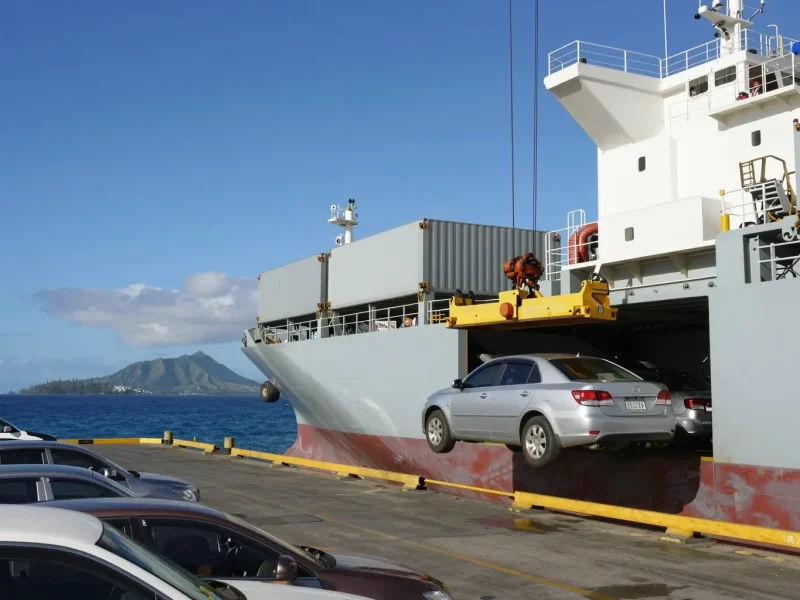
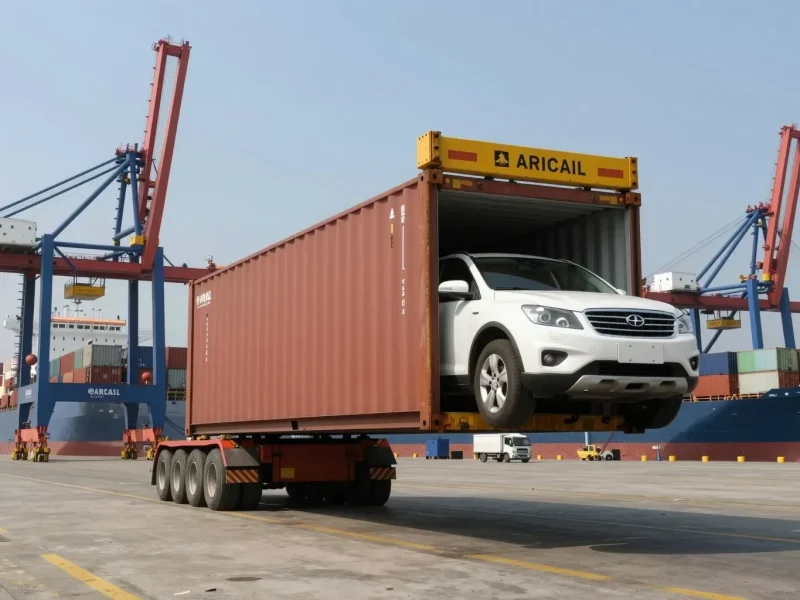
When it comes to moving a vehicle from one location to another, auto transport becomes a viable option for many․ Whether you’re relocating, selling a car to someone in another state, or purchasing a vehicle from a far-off location, understanding the intricacies of vehicle shipping is crucial․ This article delves into the factors that influence car transport costs, the types of shipping methods available, and what you should consider when choosing a shipping company․
Factors Influencing Car Transport Cost
The cost of shipping a car can vary significantly based on several factors:
- Delivery Distance: The distance between the pickup and delivery locations is one of the most significant factors affecting cost․ Longer distances will typically incur higher costs due to increased freight charges․
- Transportation Method: The method used to transport your vehicle can also affect the price․ There are primarily two types of vehicle transport: enclosed transport and open transport․ Enclosed transport offers more protection but is usually more expensive than open transport․
- Seasonal Rates: The time of year can impact shipping costs․ During peak seasons, such as summer and the end of the year, prices may increase due to higher demand․
- Fuel Prices: Fluctuations in fuel prices can also affect the overall cost of car transport, as transportation companies adjust their prices to account for these changes․
- Insurance Coverage: Insurance is a crucial factor in vehicle shipping․ More comprehensive coverage will lead to higher costs, but it provides peace of mind knowing your vehicle is protected․
Choosing the Right Shipping Companies
With numerous shipping companies available, selecting the right one is essential․ Consider the following:
- Quote Estimation: Request quotes from multiple carriers to compare costs․ Be sure to understand what each quote includes to make an informed decision․
- Cross-Country vs․ International Shipping: Depending on your needs, ensure the company specializes in either cross-country shipping or international shipping if necessary․
- Delivery Timeframes: Check the estimated delivery timeframes provided by the company to ensure they align with your schedule․
- Logistics and Carrier Services: Evaluate the logistics capabilities and the reliability of the carrier services offered by the company․
- Reputation: Research the company’s reputation through reviews and ratings․ A reliable company will have positive feedback and a track record of satisfied customers․
Understanding Transportation Methods
Deciding between enclosed and open transport is often a matter of budget and preference:
- Enclosed Transport: This method provides the highest level of protection for your vehicle, shielding it from weather and road debris․ It is ideal for luxury, classic, or high-value cars․ Expect to pay a premium for this service․
- Open Transport: The most common and cost-effective method, open transport involves shipping your car on an open trailer․ While it exposes the vehicle to the elements, it is a safe and economical option for most vehicles․
Additional Considerations
When planning to ship your car, keep these additional considerations in mind:
- Pickup and Delivery Options: Decide if you want door-to-door shipping, where the car is picked up and delivered to your specified locations, or if you’re willing to meet at a terminal․
- Insurance Coverage: Review the insurance coverage provided by the shipping company․ Ensure it adequately covers potential damages during transit․
Understanding the cost and logistics involved in vehicle shipping can make the process smoother and less stressful․ By considering the factors mentioned above, you can make an informed decision and choose the best shipping option for your needs․