Shipping a car overseas is a complex process that involves careful planning, preparation, and understanding of international transport logistics․ Whether relocating to a new country or purchasing a vehicle from abroad, knowing the steps and requirements involved can make the process smoother․ This article will guide you through the essential aspects of shipping a car overseas, covering everything from logistics to customs regulations․
Understanding International Vehicle Shipping
Shipping a vehicle overseas involves several key components, including choosing the right shipping method, understanding freight options, and handling the necessary documentation․ It is important to consider factors such as cost, time, and the destination country’s import regulations․
Choosing a Shipping Method
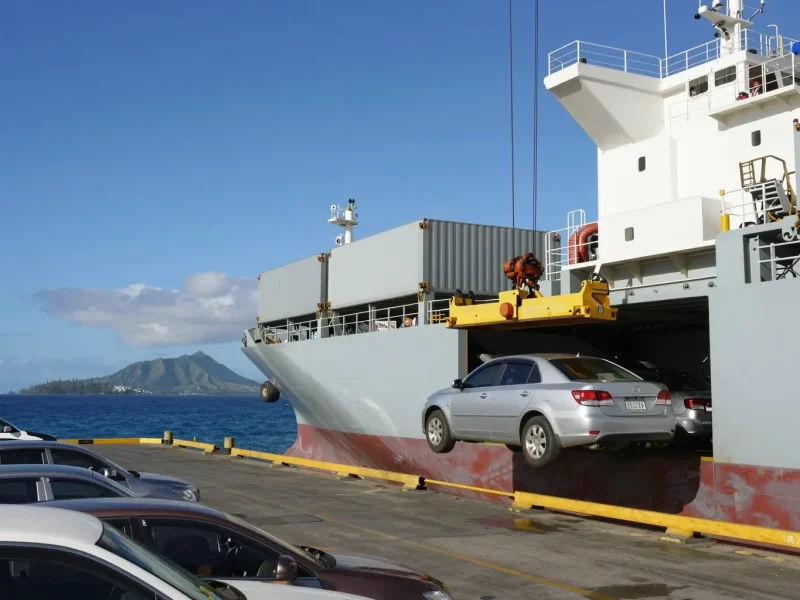
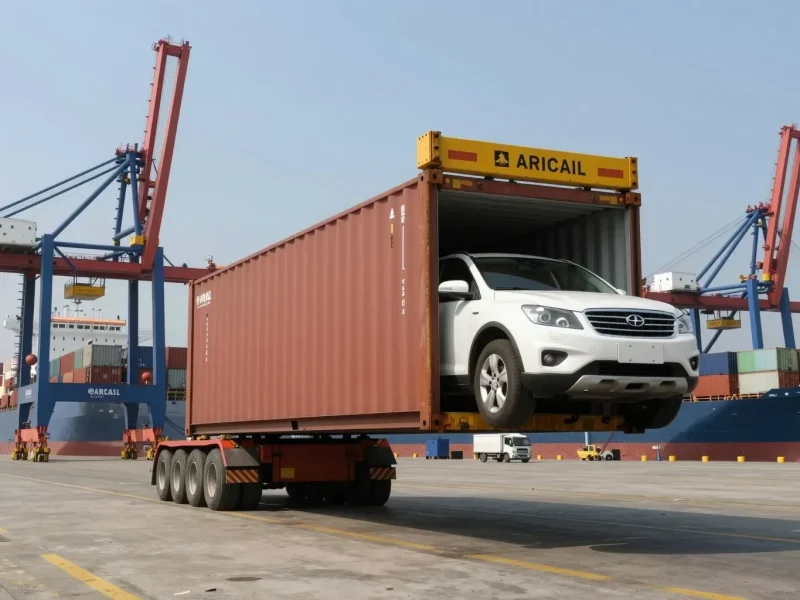
There are two primary methods for shipping a car overseas: Roll-on/Roll-off (RoRo) and container shipping․ Each method has its advantages and disadvantages․
- Roll-on/Roll-off (RoRo): This method involves driving the car onto a specialized vessel and securing it for transit․ It’s typically a cost-effective option, but your vehicle will be exposed to the elements and may not be suitable for high-value or classic cars․
- Container Shipping: This method provides added protection by placing the car inside a shipping container․ Although more expensive, it offers greater security and is ideal for valuable or sensitive vehicles․
Freight Options and Logistics
Selecting the right freight option is crucial for efficient vehicle transport․ Factors to consider include the size of the vehicle, the shipping route, and the destination port․ Partnering with a reputable logistics company can help streamline the process, ensuring that your vehicle is handled with care;
Essential Documentation and Customs Regulations
Proper documentation is critical when shipping a car overseas․ This includes obtaining an export license, ensuring the vehicle’s title is clear, and preparing a bill of lading․ Additionally, understanding customs regulations is key to avoiding delays and additional costs․
Documentation Required
- Vehicle Title and Registration: Confirm that the title is free of liens and matches your personal information․
- Bill of Lading: This document serves as a receipt for the vehicle and a contract for its transport․
- Export License: Depending on the country, an export license may be required to ship the vehicle․
Understanding Customs
Each country has its own customs regulations, which can impact the import process․ Familiarize yourself with the destination country’s rules, such as import taxes, emissions standards, and other compliance requirements․ Working with a customs broker can help navigate these complexities․
Insurance and Safety Measures
Ensuring your car is adequately insured during transit is vital․ Most shipping companies offer basic insurance, but additional coverage might be necessary for added peace of mind․ Check with your insurance provider about international coverage options․
Insurance Options
- Basic Coverage: Often included by the shipping company but may only cover minimal damages․
- Comprehensive Coverage: Offers more extensive protection against a range of potential damages during transit․
Preparing Your Car for Shipping
Preparing your vehicle for shipping is essential to ensure a smooth transit․ This includes cleaning the car, removing personal items, and securing loose parts․ Additionally, disabling alarms and checking fluid levels can prevent issues during shipment․
Steps to Prepare Your Vehicle
- Clean the Car: A clean vehicle allows for better inspection and documentation of its condition․
- Remove Personal Items: Ensure all personal belongings are taken out to prevent loss or damage․
- Secure Loose Parts: Remove or secure any detachable parts, such as antennas or spoilers․
- Check Fluid Levels: Ensure all fluids are at optimal levels and consider reducing the fuel to a quarter tank to reduce weight․
Transit and Delivery Process
Once the vehicle is prepared and documentation is in order, the transit process begins․ The car will be transported to the port, loaded onto the vessel, and shipped to the destination country․ Upon arrival, it will go through customs clearance before being delivered to your specified location․
Arrival and Customs Clearance
Once the vehicle arrives at the destination port, it will undergo customs clearance․ Ensure all paperwork is ready to facilitate a smooth import process․ The vehicle will then be delivered to your location, either directly or through a transport service․
Shipping a car overseas requires careful planning and an understanding of international logistics․ By selecting the right shipping method, ensuring proper documentation, and preparing your vehicle adequately, you can ensure a successful and stress-free transportation experience․ Always work with reputable shipping and logistics companies, and stay informed about the regulations and requirements of the destination country to facilitate a smooth import process․