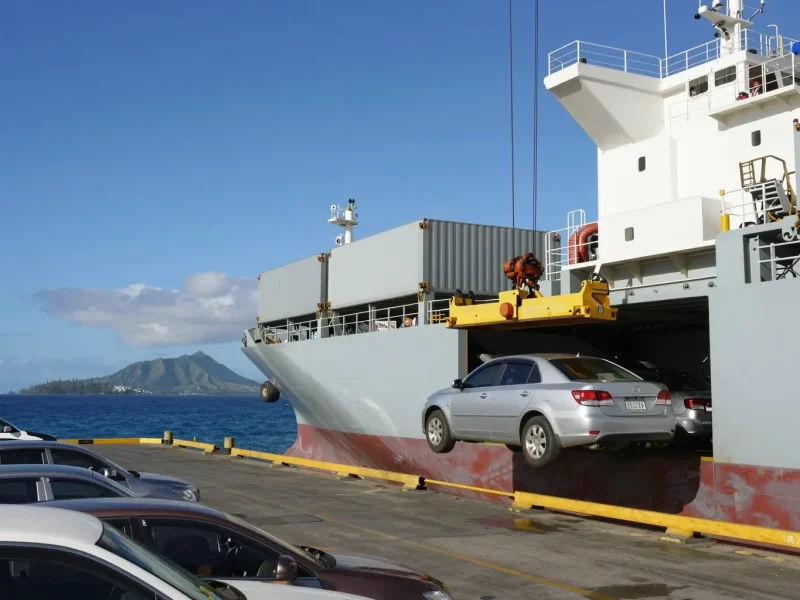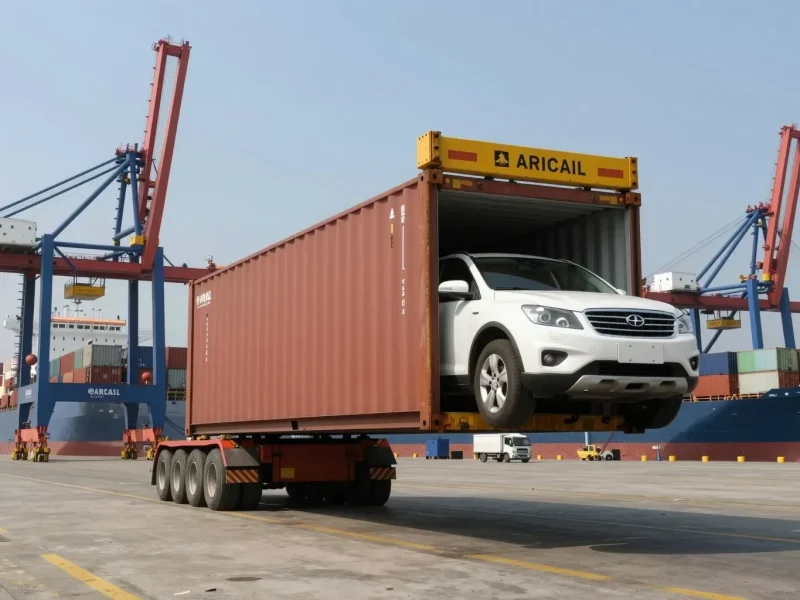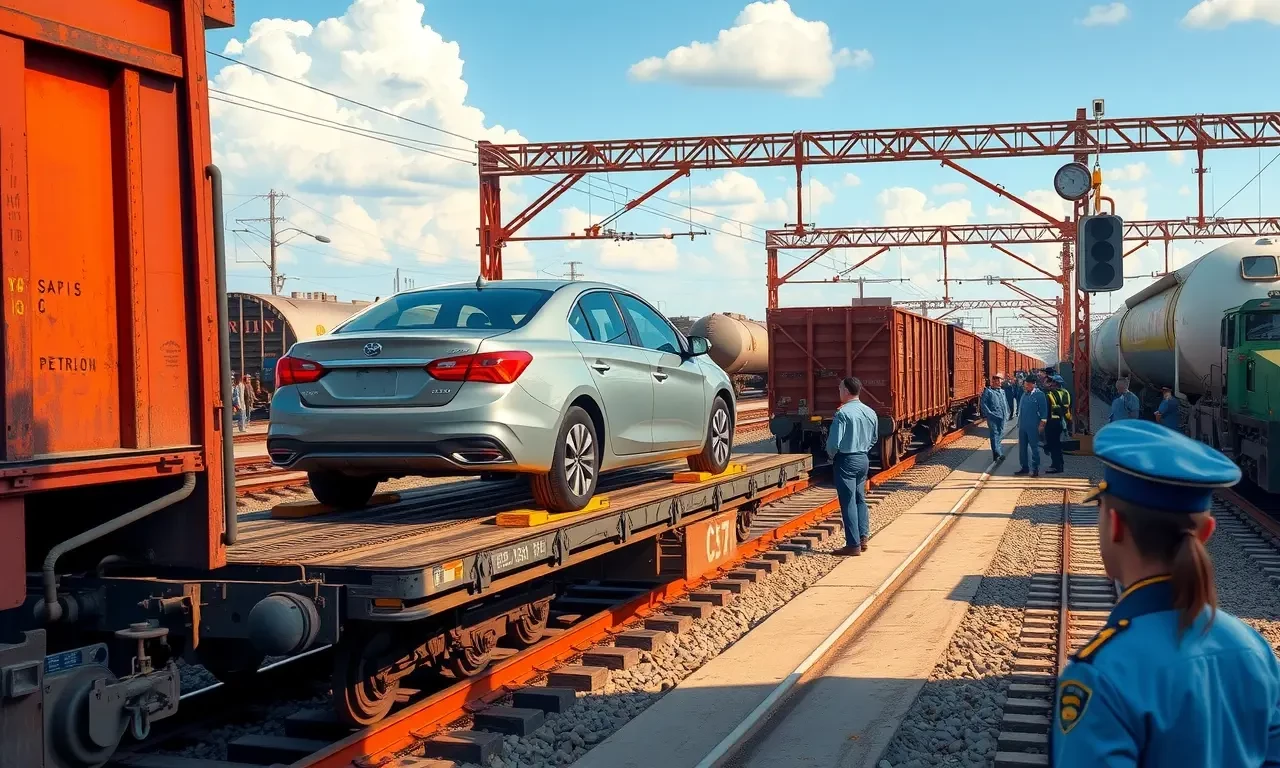
Shipping a car by train is an efficient, cost-effective, and environmentally friendly option for vehicle transport. Whether you’re relocating cross-country or selling a vehicle far from home, rail shipping offers a reliable solution. In this comprehensive guide, we’ll explore the ins and outs of car transportation via railways, including the auto train, freight services, and everything you need to know about shipping costs, loading procedures, and logistics.
Understanding Rail Shipping for Cars
Rail shipping involves transporting vehicles using freight trains, which can accommodate multiple cars at once. This method is particularly advantageous for cross-country moves, given the vast railway network. Here’s a breakdown of the key components:
- Auto Train: A specialized train service designed specifically for transporting passenger vehicles.
- Freight Services: General rail freight services that can include car transportation as part of their broader logistics offerings.
Benefits of Shipping a Car by Train
- Cost Efficiency: Rail transport can be more affordable than other methods, especially for long distances.
- Environmental Impact: Trains are generally more fuel-efficient than trucks, resulting in lower emissions.
- Safety: Vehicles are securely loaded and less prone to damage compared to road transport.
Choosing a Transport Company
Selecting the right transport company is crucial for a smooth shipping experience. Consider the following factors:
- Experience: Look for a company with a proven track record in rail vehicle transport.
- Services Offered: Ensure they provide comprehensive services, including enclosed transport if necessary.
- Depot Locations: Choose a company with convenient railway terminal locations for easy drop-off and pick-up.
- Transport Regulations: The company should be well-versed in transport regulations and compliance.
Booking Process and Costs
The booking process for rail car shipping is straightforward. Follow these steps to ensure a hassle-free experience:
- Request a Quote: Contact the transport company to obtain a detailed quote. Consider factors like distance, vehicle type, and service level to estimate shipping costs.
- Schedule the Transport: Once satisfied with the quote, book your transport by providing necessary details, including vehicle information and preferred delivery time.
- Prepare Your Vehicle: Clean the car, remove personal items, and perform a thorough inspection. Document any existing damage with photos.
Understanding Shipping Costs
Several factors influence the cost of shipping a car by train:
- Distance: Longer distances typically incur higher costs;
- Vehicle Size: Larger vehicles may cost more due to space requirements.
- Service Level: Enclosed transport offers additional protection but can be more expensive.
Loading Procedures and Delivery Time
Once booked, the loading procedures follow a systematic approach to ensure safe transport:
- Vehicle Inspection: Conduct a final inspection before loading. Note any discrepancies from the initial condition.
- Secure Loading: Vehicles are securely fastened onto the freight train using specialized equipment to prevent movement during transit.
- Delivery Time: The delivery schedule will depend on the train’s route and any potential stops. Railways are generally punctual, but always confirm expected delivery times with the transport company.
Insurance, Tracking, and Regulations
Ensure peace of mind during transport with these additional considerations:
Transit Insurance
Most transport companies offer transit insurance options. Confirm coverage details to protect against potential damage or loss.
Vehicle Tracking
Many companies provide vehicle tracking services, allowing you to monitor the car’s progress in real-time. This feature enhances transparency and reliability.
Transport Regulations
Familiarize yourself with relevant transport regulations to ensure compliance. Your transport company should handle most regulatory requirements, but it’s wise to be informed.
Shipping a car by train is a practical and efficient choice for long-distance vehicle transport. By understanding the logistics, booking process, and associated costs, you can ensure a smooth and successful move. Remember to choose a reputable transport company, prepare your vehicle appropriately, and stay informed about insurance and tracking options. With these steps, your vehicle will reach its destination safely and on time.